A practical, safety-first guide to keeping your garage door smooth, quiet, and reliable
Most homeowners use their garage door several times a day and rarely think about it until something goes wrong. A loud grinding noise, a door that refuses to close, or a sudden failure during a busy morning can quickly remind you how important this system really is.
A well-maintained garage door improves safety, prevents expensive repairs, and extends equipment lifespan. The good news? Basic DIY garage door maintenance is straightforward when you follow a structured routine.
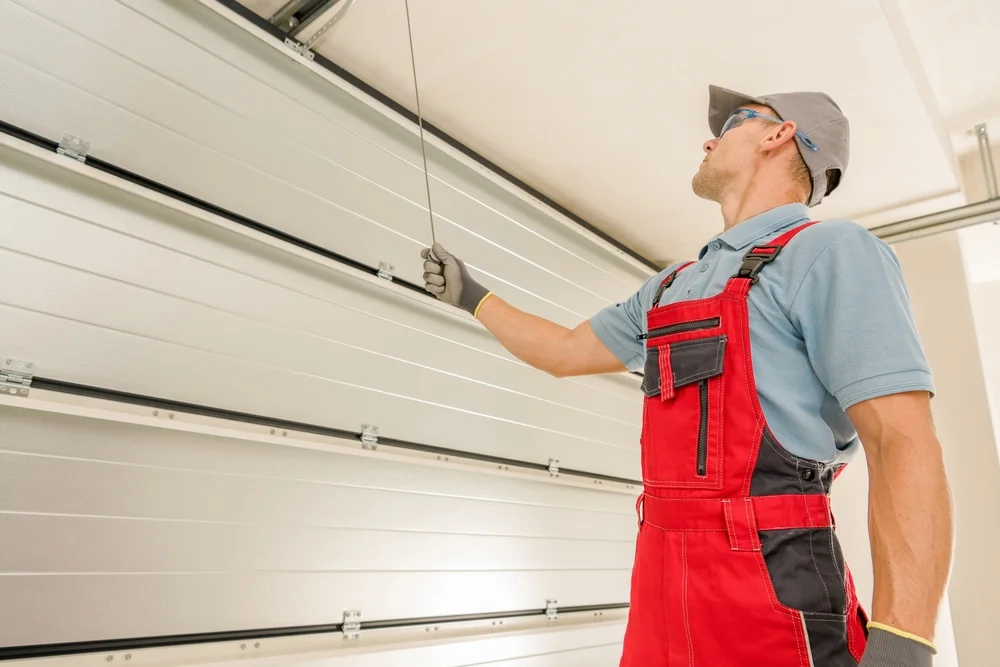
This guide provides a professional-level garage door maintenance checklist you can follow at home. It focuses on preventive care, safety inspection, and performance testing, all based on manufacturer recommendations and industry safety guidance.
Why Regular Garage Door Maintenance Matters
Garage doors are large mechanical systems operating under tension. Springs lift heavy weight, rollers glide along tracks, and sensors prevent accidents. When one part wears out, the entire system works harder.
Routine maintenance helps you:
- Prevent sudden breakdowns
- Improve operating safety
- Extend garage door lifespan
- Reduce long-term repair costs
- Maintain smooth and quiet movement
The U.S. Consumer Product Safety Commission (CPSC) emphasizes that malfunctioning garage doors can cause injuries if safety systems fail or components break unexpectedly. Regular inspection significantly reduces risk.
Professional associations also support preventive care. The Door & Access Systems Manufacturers Association (DASMA) recommends periodic inspection, lubrication, and balance testing to maintain safe operation.
In simple terms, small maintenance today prevents major repairs tomorrow.
Understanding How Your Garage Door System Works
Before performing a garage door inspection checklist, it helps to understand the main components:
- Springs (torsion or extension) that lift the door
- Rollers that guide movement
- Tracks that control direction
- Hinges connecting panels
- Cables supporting lifting force
- Automatic opener and safety sensors
- Weather seals protecting the opening
Together, these parts form a counterbalance system that allows smooth lifting with minimal effort.
When friction increases or components wear down, performance declines. That’s why garage door preventive maintenance focuses on reducing strain and keeping all moving parts aligned.
Monthly Visual Inspection Checklist
A monthly garage door safety inspection is the foundation of residential garage door upkeep. It takes only a few minutes.
Check door panels
Look for dents, cracks, or warping that could affect alignment.
Inspect springs and cables
Watch for rust, fraying, or gaps in coils. Never touch or adjust springs yourself because they store high tension.
Examine rollers and hinges
Look for worn bearings or loose fasteners.
Check tracks
Ensure they remain straight and clean. Dirt buildup can cause jerky movement.
Inspect weather stripping
Damaged seals allow dust, pests, and moisture inside.
This simple garage door system inspection helps identify early warning signs before they become serious mechanical problems.
Lubricate Moving Parts Every 3 to 6 Months
Friction is one of the main causes of wear in mechanical systems. Proper lubrication keeps movement smooth and reduces noise.
Apply a garage-door-specific lubricant to:
- Roller bearings
- Hinges and pivot points
- Springs with a light coating
- Bearing plates
- Lock mechanism
Avoid applying lubricant to tracks. They should stay clean and dry to guide rollers correctly.
The International Door Association (IDA) recommends periodic lubrication to reduce component stress and maintain safe performance.
Source: https://www.doors.org
Regular lubrication is one of the simplest and most effective garage door maintenance tips homeowners can follow.
Tighten Hardware and Mounting Components
Garage doors move up and down hundreds of times each month. That motion gradually loosens bolts and brackets.
Check and tighten:
- Roller brackets
- Hinge bolts
- Track supports
- Opener mounting hardware
Loose hardware often causes vibration, noise, and uneven movement. Tightening connections restores system stability.
Never adjust spring anchor brackets. Those require professional tools and training.
Perform a Garage Door Balance Test
Balance determines how evenly weight distributes across the lifting system. Poor balance strains the opener motor and shortens equipment lifespan.
How to test garage door balance
- Disconnect the automatic opener
- Lift the door halfway manually
- Release carefully
If the door stays in place, the counterbalance system works correctly.
If it falls or rises, spring tension needs professional adjustment.
DASMA recommends professional service whenever balance problems appear, as improper spring tension can create safety hazards.
Test the Automatic Safety Reverse System
Modern garage doors include an automatic reversal feature that prevents crushing injuries.
Test procedure
Place a solid object such as a wooden block under the door. Close the door using the opener. The door should reverse immediately upon contact.
If it does not reverse, adjust settings according to the manufacturer’s instructions or schedule professional service.
Testing this feature regularly supports garage door accident prevention and ensures safe operation around children and pets.
Check and Clean Safety Sensors
Photo-eye sensors detect obstructions and stop the door from closing.
Maintenance steps:
- Wipe lenses gently with a soft cloth
- Confirm sensors face each other directly
- Remove dust, cobwebs, or debris
Misaligned sensors are a common cause of a garage door not closing properly. Cleaning and alignment usually fix the issue quickly.
Clean Tracks and Check Alignment
Garage door tracks guide movement and maintain stability.
Track maintenance checklist
- Remove dirt and debris
- Inspect for dents
- Ensure proper alignment
If the door shakes or moves unevenly, track alignment may be off. Avoid bending tracks yourself because improper adjustment can damage the system.
Clean tracks improve performance and reduce mechanical resistance.
Inspect and Replace Weather Seals
Weather seals protect your garage from outdoor elements.
Check for:
- Cracks or brittleness
- Gaps along the bottom edge
- Loose side seals
The U.S. Department of Energy recommends sealing garage openings to reduce air leaks and improve energy efficiency.
Replacing worn seals supports insulation and keeps your garage environment clean and dry.
Test Remote Controls and Opener Function
Electronic components need routine checks too.
Verify:
- Remote battery strength
- Wall switch response
- Smooth opener movement
- Proper lighting and signals
If the opener struggles or moves slowly, the system may be working harder than necessary, often due to imbalance or poor lubrication.
Listen for Warning Signs During Operation
A healthy garage door operates smoothly and quietly. Unusual sounds signal trouble.
Watch for:
- Grinding or scraping noises
- Jerky movement
- Sudden vibration
- Delayed response
These are common garage door performance problems that indicate wear, misalignment, or lack of lubrication.
Addressing them early helps prevent costly repairs.
Annual Deep Maintenance and Professional Inspection
Even with regular DIY care, professional inspection once a year is a smart investment.
A trained technician can:
- Evaluate spring condition
- Adjust opener force settings
- Check structural alignment
- Inspect high-tension components
Professional servicing ensures full mechanical safety inspection and helps maintain long-term system reliability.
Maintenance Before Moving or Property Inspection
If you’re preparing to sell, rent, or move into a home, a functioning garage door supports property readiness.
Many home inspections include mechanical system checks. A properly maintained door demonstrates responsible ownership and reduces potential issues during property handover.
Routine home mechanical system maintenance, including garage door care, helps ensure smooth transitions during relocation or inspection processes.
Safety Tasks You Should Never DIY
Some garage door components require professional handling due to high tension or specialized tools.
Avoid DIY repair for:
- Spring replacement
- Cable repair
- Major track realignment
- Opener motor repair
Improper handling can cause serious injury. Always choose trained technicians for these tasks.
Recommended Garage Door Maintenance Schedule
Monthly
Visual inspection and safety check
Every 3 to 6 months
Lubrication and hardware tightening
Annually
Professional inspection and full system evaluation
Following a structured garage door maintenance routine ensures long-term performance and safety.
Final Thoughts
A garage door is more than a convenience. It is a complex mechanical system that protects your home and family. Regular inspection, lubrication, and testing keep it operating safely and efficiently.
By following this DIY garage door maintenance checklist, homeowners can prevent unexpected failures, reduce repair costs, and extend equipment lifespan.
Think of maintenance as insurance for your home’s largest moving system. A few minutes of care each month keeps everything running smoothly and keeps surprises where they belong, nowhere near your garage door.