A Step-by-Step Guide for Liftmaster, Chamberlain, and other Garage Door Sensors
Garage door sensors are the unsung heroes of modern home safety, ensuring your garage doors won’t close on cars, pets, or people. If your garage door opener refuses to operate or suddenly reverses every time you try to close the door, misaligned sensors may be to blame. This article delivers a step-by-step guide to align garage door sensors, featuring expert tips for Liftmaster, Chamberlain, and other popular systems. Whether you’re troubleshooting sensor issues, performing garage door maintenance, or simply want to ensure the safety of your household, this comprehensive guide will help you achieve a perfectly aligned, smoothly operating garage door system.
What Are Garage Door Sensors and Why Are They Important?
Garage doors are heavy, automated pieces of equipment that can pose a serious safety risk if not properly managed. Garage door sensors, also known as safety sensors, play a critical role in ensuring your garage door operates safely. These sensors are usually mounted a few inches above the ground on either side of the garage doorway, and their job is to prevent the door from closing if there’s an obstruction.
The importance of these sensors can’t be overstated. Not only do they protect your car from accidental damage, but they also keep children, pets, and anything else from getting trapped under a closing door. Garage door safety is a top priority for manufacturers like Liftmaster and Chamberlain, and properly aligned sensors are essential for the effectiveness of your garage door system.
How Do Garage Door Sensors Work?
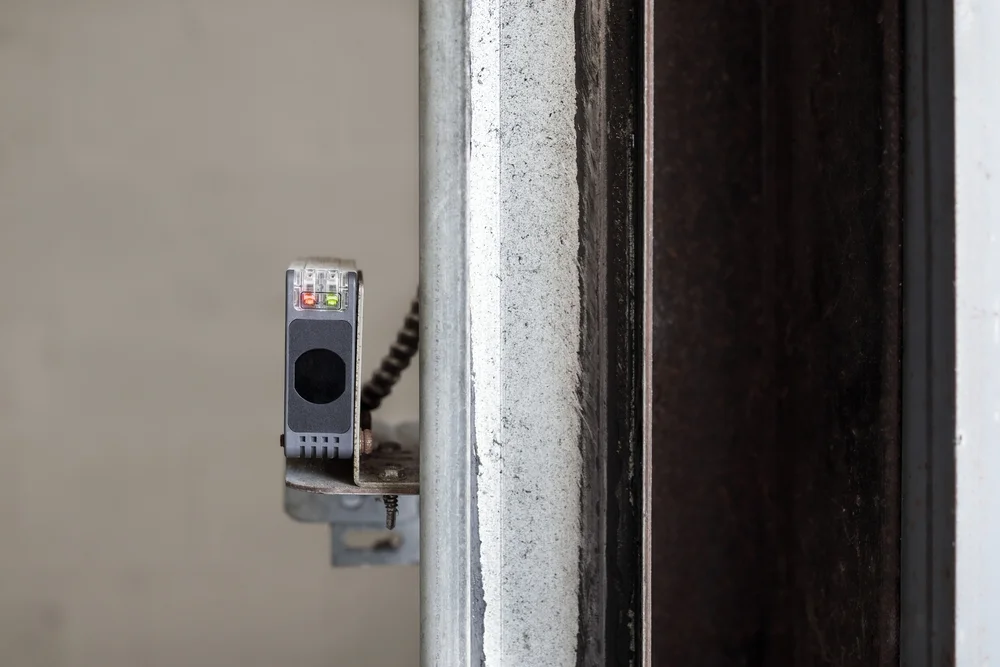
If you’ve ever noticed the small boxes mounted at the base of your garage door tracks, those are your garage door sensors. The system consists of two sensors: a sending sensor and a receiving sensor. The sending sensor emits an invisible infrared beam across the garage doorway, which the receiving sensor picks up.
If the infrared beam is interrupted by a car, a person, or even a stray object the sensors signal the garage door opener to stop or reverse the door. This technology is why your Liftmaster garage door opener (and most modern openers) won’t close if something is blocking the sensors. It’s a simple but effective way to keep everyone safe.
How to Identify Misaligned Garage Door Sensors
A common issue with automatic garage doors is sensor misalignment. If your door isn’t closing properly or reverses immediately after starting to close, your garage door sensors may be misaligned. But how can you tell?
Start by looking at the sensor lights. Most sensors have an LED light (often a green light on the receiving sensor and a yellow or amber light on the sending sensor). If one or both lights are off or blinking, the sensors may be out of alignment. Another sign is if the garage door reverses automatically or just won’t close.
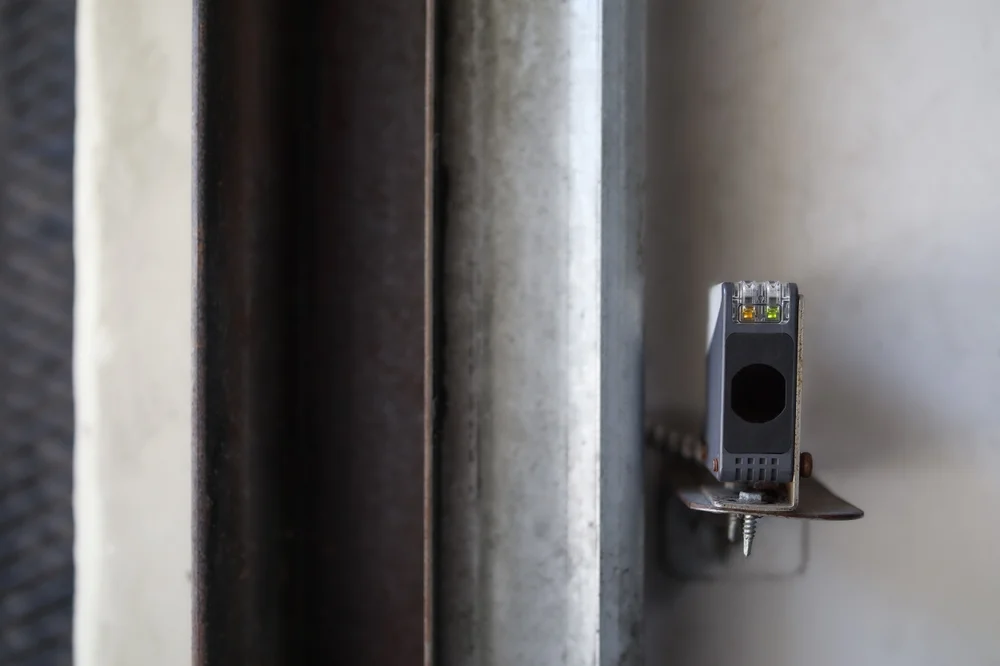
Garage door sensor alignment is crucial for smooth operation. Sometimes, the sensors get bumped or the mounting bracket becomes loose, leading to misalignment. If you notice these signs, it’s time to align your garage door sensors.
Why Won’t My Garage Door Close? Understanding Sensor Issues
When a garage door isn’t closing or keeps reversing, the most common culprit is an issue with the garage door sensors. If the sensors aren’t properly aligned, the infrared beam can’t reach the receiving sensor, causing the opener to think there’s an obstruction.
This is a built-in safety feature. If the sensors are dirty, obstructed, or misaligned, the garage door opener will refuse to close the door. Sometimes, the sensor brackets may be loose or the sensors themselves may have shifted out of position.
Other possible issues include a dirty lens, damaged wiring, or an actual obstruction blocking the sensors. Ensuring the sensors are aligned and free of debris is the first step in troubleshooting garage door issues.
What Tools Do I Need to Align Garage Door Sensors?
Before you start this step-by-step guide to sensor alignment, gather the necessary tools. Typically, you’ll need:
- A screwdriver (to loosen and tighten the screws on the mounting bracket)
- A clean cloth (for cleaning the sensor lenses)
- A level (optional, but helpful for checking alignment)
- A flashlight (to see in dimly lit garages)
Having the right tools on hand makes the process of aligning your garage door sensors quick and efficient. Make sure the area around your garage doors is clear, and that you can easily access both sensors at the base of the garage door tracks.
Step-by-Step Guide: How to Align Your Garage Door Sensors
Ready to learn how to align your garage door sensors? Follow this step-by-step guide for reliable results:
- Unplug the Garage Door Opener
Safety first! Disconnect the opener from power to avoid accidental operation while you work on the sensors. - Inspect the Sensors and Brackets
Check each sensor for dirt, cobwebs, or physical damage. Make sure the sensor brackets are secure. - Clean the Sensor Lenses
Use a soft cloth to gently wipe the lens of each sensor. Even a thin layer of dust can block the infrared beam. - Loosen the Sensor Brackets
Use your screwdriver to loosen the screws or wing nuts on the mounting bracket. This will allow you to adjust the position of each sensor. - Align the Sensors
Carefully adjust the sensors until they point directly at each other, across the garage doorway. Sensors should be parallel and at the same height, typically 4–6 inches above the ground. - Tighten the Screws and Secure the Sensors in Place
Once aligned, tighten the screws on the brackets to secure the sensor. This ensures the sensors remain in position. - Plug the Opener Back In and Test
Restore power to your garage door opener and test the door’s operation.
How to Adjust the Sensor Brackets and Mounting Bracket
Adjusting the sensors is all about precision. If your sensors are mounted on metal brackets, gently loosen the wing nut or screws to free the sensor. Move each sensor until it points directly at the opposite sensor. Both should be at the same height and parallel to the floor.
If the sensor brackets are bent or damaged, replace them for more secure sensor positioning. After aligning the sensors, tighten the screws or wing nuts to ensure they don’t shift out of place. Properly adjusted brackets prevent misalignment from recurring during daily garage door use.
This step is especially important for systems like Liftmaster and Chamberlain, where the mounting hardware may vary. Always check your garage door opener’s manual for specific instructions related to your model.
How to Test if the Sensors Are Properly Aligned
Testing your work is crucial to ensure the sensors are aligned and functioning. Here’s how:
- Check the Sensor Lights: When the sensors are properly aligned, the green LED on the receiving sensor should be solid (not blinking). The sending sensor’s light should also be on.
- Test the Garage Door: Press the opener button to close the garage door. Wave an object (like a broom) in front of the sensors as the door is closing. The door should stop or reverse immediately, indicating the sensors are working.
- Remove All Obstructions: Ensure nothing is blocking the sensors across the garage doorway, and that the sensors remain lit and aligned.
If the LED light blinks or goes off, recheck the alignment and adjust as needed. This ensures your garage door operates safely every time.
Common Problems: Troubleshooting Sensor Issues
Even after alignment, you may encounter garage door sensor issues. Here’s how to troubleshoot:
- Flickering or Off LED Lights: This suggests misalignment or a wiring issue. Recheck alignment and inspect for loose or damaged wires.
- Door Won’t Close or Reverses: If the door won’t close or instantly reverses, double-check for obstructions and test the sensors again.
- Sensors Remain Unresponsive: If you’ve cleaned and aligned the sensors but they don’t work, the sensors themselves may be faulty and require replacement.
Troubleshooting tips:
- Make sure the sensors are free of debris and the lenses are clean.
- Ensure the brackets are tight and the sensors haven’t shifted.
- Confirm the sensors are receiving power; check for lit LED lights.
Garage Door Maintenance: How to Prevent Sensor Misalignment
Routine garage door maintenance helps prevent sensor misalignment and extends the life of your equipment. Here’s how:
- Inspect Sensors Regularly: Check the position and cleanliness of your sensors during seasonal maintenance.
- Keep the Area Clear: Avoid storing items near the base of your garage doors that could bump or block the sensors.
- Tighten the Brackets: Periodically check that all screws and brackets are tight.
- Protect the Wiring: Make sure sensor wires are secure and not at risk of being snagged.
Regular maintenance helps ensure the garage sensors remain properly aligned and your automatic garage door continues to operate safely.
When to Call for Professional Garage Door Service
Sometimes, DIY fixes aren’t enough. Call a professional garage door service if:
- The sensors remain unresponsive after alignment and cleaning.
- There’s clear physical damage to the sensors or brackets.
- You suspect a wiring or electrical issue.
A qualified technician can diagnose and resolve complex garage door sensor alignment problems, especially with advanced systems like the Liftmaster garage door opener.
Key Takeaways: What to Remember About Garage Door Sensor Alignment
- Garage door sensors are essential for safety and proper door operation.
- Misaligned sensors are a common reason why garage doors won’t close or reverse unexpectedly.
- Aligning your garage door sensors is a straightforward process: clean, adjust, and secure.
- Watch for solid LED lights blinking or off lights signal alignment or power problems.
- Regular garage door maintenance prevents future issues with sensor alignment.
- Don’t hesitate to call for garage door repair or service if DIY fixes don’t solve the problem.
- Properly aligned sensors ensure your garage doors operate safely for years to come.
By following these steps and tips, you’ll keep your garage doors, sensors, and household safe from preventable accidents and malfunctions.