Garage doors are essential to any home, providing security, accessibility, and protection for vehicles and belongings. But like any other part of a home, garage doors need regular maintenance and attention. One of the most common issues homeowners face is a broken garage door spring. When these springs break, it can disrupt your daily routine and leave you wondering what went wrong and how to fix it. In this article, we’ll explore the primary reasons why garage door springs break, how they function, and what to do if you need to fix a garage door spring.
What Are Garage Door Springs?
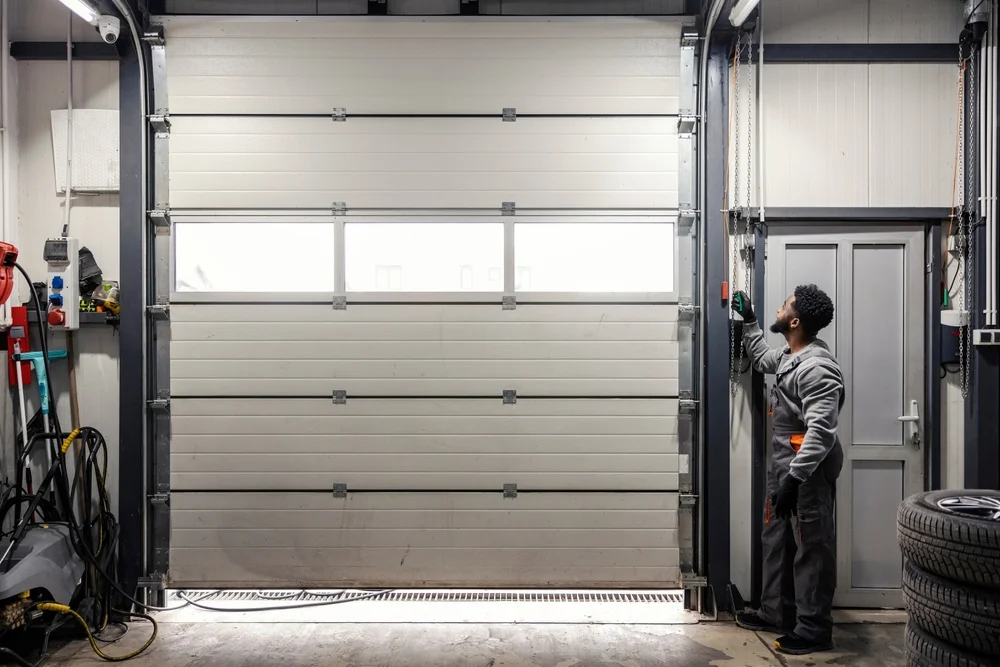
Garage door springs play a vital role in helping the garage door opener lift and lower the door smoothly. These springs are designed to counterbalance the weight of the door, reducing the strain on the garage door opener. There are two main types of springs used in garage doors:
- Torsion Springs: These are usually mounted horizontally above the door. They twist to create the tension needed to lift and lower the door.
- Extension Springs: Found on either side of the door, these springs expand and contract to assist with the door’s movement.
Both types of springs are heavy-duty and under immense tension. Over time, they undergo wear and tear, which can ultimately lead to breakage.
1. Normal Wear and Tear
One of the most common reasons garage door springs break is due to regular wear and tear. Most springs are rated to last between 10,000 to 20,000 cycles, with one cycle being a full opening and closing of the door. On average, a garage door is used around 2 to 4 times per day. At that rate, springs can last 7 to 10 years under normal conditions. However, more frequent use, such as opening the door multiple times each day, will decrease their lifespan.
Preventive Tip:
Consider investing in high-cycle springs if you use your garage door frequently. High-cycle springs are designed to last longer than standard ones, providing better durability for homes with heavy garage door usage.
2. Rust and Corrosion
Rust is another major factor that can lead to broken garage door springs. Rust increases friction on the coil and weakens the metal, causing the spring to wear out more quickly. When garage door springs develop rust, they lose their flexibility and become brittle, increasing the risk of a break.
Preventive Tip:
Regularly lubricate your garage door springs with a high-quality lubricant to prevent rust buildup. Lubricating the springs every few months will keep them in good shape and extend their lifespan.
3. Improper Maintenance
Maintenance plays a significant role in the lifespan of garage door springs. Over time, automatic garage door springs need to be checked and lubricated to ensure smooth operation. Neglecting regular maintenance can lead to early wear, misalignment, and increased strain on the springs.
Preventive Tip:
Schedule regular maintenance for your garage door. This can include visual inspections, lubrication, and adjustments as needed. Many homeowners choose to hire a professional once a year to make sure all components, including the springs, are in good working order.
4. Incorrect Spring for the Door Weight
Using the wrong type or size of spring for your garage door can lead to premature failure. Each spring is rated to support a specific weight, so if the door is too heavy for the spring, it will overwork, stretch, and eventually snap. For example, if a lighter-weight spring is installed on a heavier garage door, it will wear out quickly.
Preventive Tip:
Ensure the right type and size of spring is installed on your garage door. If you’re replacing the springs yourself, check the door’s specifications or consult a professional to confirm the right spring type.
5. Extreme Weather Conditions
Weather conditions, especially extreme temperatures, can cause stress on garage door springs. Cold temperatures can make the springs brittle, while extreme heat can cause them to expand and contract. This constant expansion and contraction affect the durability of garage door springs, increasing the likelihood of a break.
Preventive Tip:
For homeowners in areas with extreme weather conditions, consider investing in springs made from high-quality materials that can withstand temperature fluctuations. Additionally, keep your garage insulated, as this can help regulate the temperature around the springs and other garage door parts.
6. Improper Installation
Improper installation can be another reason why garage door springs break. If the springs are not correctly aligned or adjusted, they won’t function as they should, leading to uneven wear and potential breakage. Poor installation of garage door opener springs may result in one spring taking on more load than the other, causing faster deterioration.
Preventive Tip:
Hire a trained technician to install garage door springs properly. A professional installer will ensure the correct placement and balance of the springs to maximize their life and ensure smooth operation of the garage door.
7. Sudden Impact or Damage
Sometimes, accidents happen. If your car, a bike, or any other object strikes the garage door, it can damage the springs. A sudden impact can cause a spring to stretch or break, especially if it is already under tension.
Preventive Tip:
Be mindful of what comes near your garage door and its components. Avoid storing large or heavy objects close to the door to prevent accidental impact.
How to Fix a Garage Door Spring
When a garage door spring breaks, it’s crucial to address the issue promptly. A broken spring can make the door inoperable or dangerous to use. Here are some options if you’re facing this problem:
- Call a Professional: Repairing or replacing a garage door spring is dangerous and requires specialized tools and expertise. A professional technician has the experience and tools necessary to handle the job safely.
- Don’t Attempt a DIY Fix: While many home repairs are DIY-friendly, fixing a garage door spring is not. The tension in the spring can cause severe injury if released suddenly. Unless you have training, leave this job to a professional.
- Regular Maintenance: Once the spring is repaired or replaced, maintain it by following the steps outlined above. Regular maintenance will help prevent future issues and extend the lifespan of the new spring.
What Happens If You Ignore a Broken Garage Door Spring?
Ignoring a broken garage door spring is not advisable. Attempting to operate the garage door with a broken spring can lead to several issues:
- Strain on the Garage Door Opener: A broken spring shifts the entire weight of the door to the garage door opener, which isn’t designed to lift that much weight on its own. This added strain can cause the opener to wear out prematurely, leading to expensive repairs or replacement.
- Potential Damage to the Door: Operating the door with a broken spring can cause it to become misaligned, leading to further damage to the door panels, tracks, and other components.
- Safety Hazards: A garage door with a broken spring can be unpredictable and may fall suddenly, posing a risk to anyone nearby. For the safety of you and your family, it’s essential to address a broken spring as soon as possible.
Conclusion
Garage door springs are essential components that allow the door to open and close smoothly. But like all mechanical parts, they wear out over time and eventually break. The most common reasons for a broken garage door spring include regular wear and tear, rust, improper maintenance, and extreme weather conditions.
If you notice signs of wear or hear unusual noises from your garage door, it may be time to inspect the springs and consider replacement. Fixing a broken garage door spring should always be done by a professional, as it can be hazardous to attempt on your own. By understanding the reasons behind garage door spring failure and taking preventive steps, you can extend the life of your garage door system and ensure smooth, safe operation for years to come.
If you need to fix a garage door spring, contact a reputable technician to assess the damage and provide the right solution. Remember that regular maintenance, correct installation, and proper care can go a long way in preventing spring breakage and keeping your garage door in top condition.
For professional garage door spring repairs and reliable service, contact Quick Fix Door to ensure your garage door is safe and fully functional.